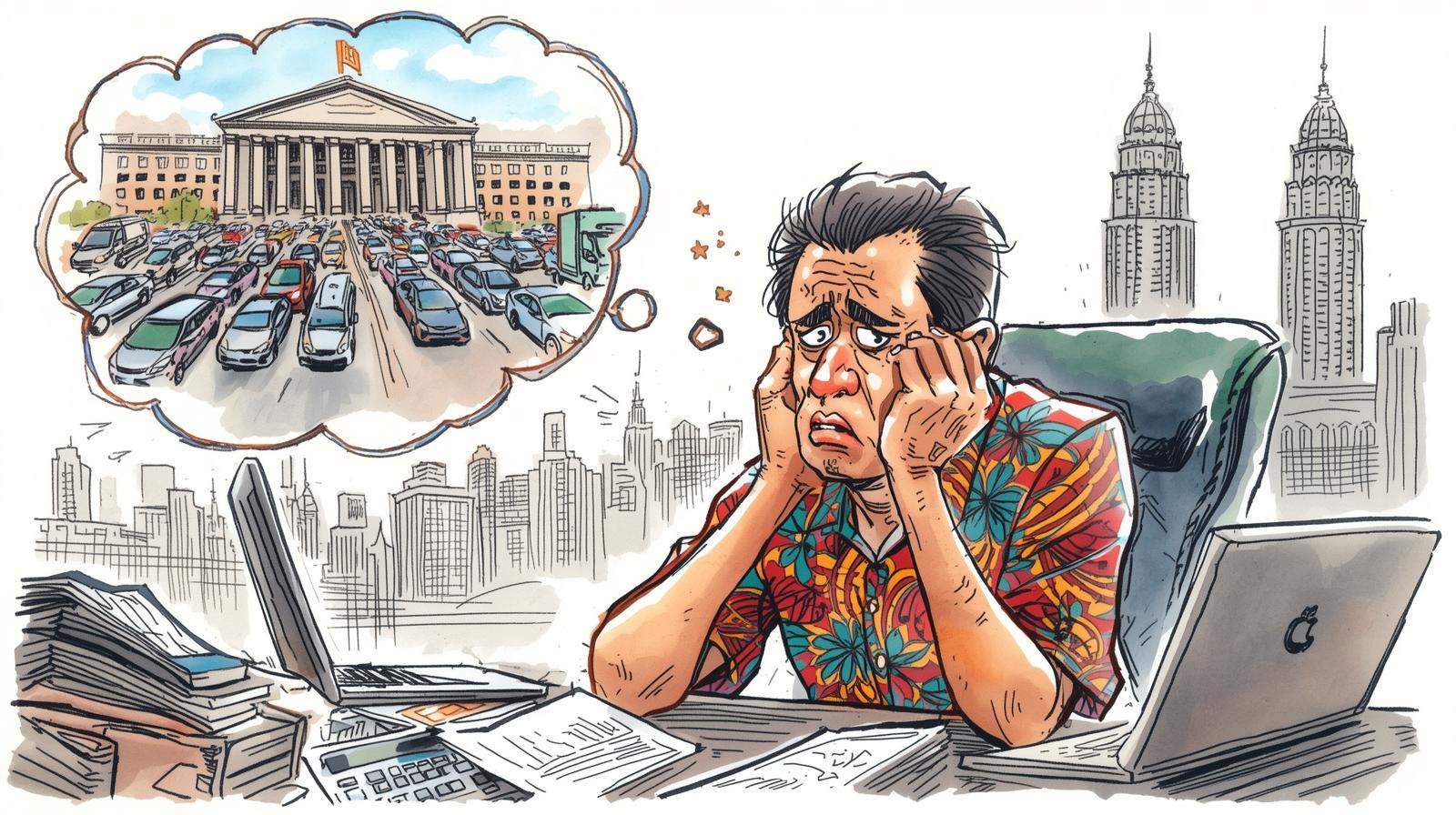

⚠️ A Critical Compliance Warning for Malaysian Employers
A new statutory cost is here. But it’s converging with the LHDN e-invoicing regime and a complex "grey" labour market to create a perfect storm of compliance risks. ⛈️
Many organisations are at risk, and some may not even realise it. Here’s what you must know.
1. The New Statutory Cost: 2% KWSP 💰
First, the simple fact: As of the October 2025 salary (for the November 2025 contribution month), the mandatory KWSP (EPF) contribution for non-Malaysian employees is in effect.
-
What it is: A statutory contribution for all foreign workers and expatriates (excluding domestic servants).
-
The Rate: The employer must contribute 2% of the employee's monthly wages, and the employee contributes 2% (a 4% total).
This new cost is causing some organisations to look for 'workarounds'. This is where the danger begins.
2. The E-Invoicing & 'Shadow Workforce' Trap 🕵️♂️
We are seeing a concerning rise in high-risk attempts to avoid these new obligations. The methods vary, but the risk is the same.
-
Trend 1: Re-labelling Legal Staff Some employers are reclassifying their full-time, legal foreign workers as "subcontractors" or "service providers" to avoid KWSP, PERKESO, and other costs.
-
Trend 2: Engaging Undocumented 'Freelancers' Many skilled foreign workers "freelance" on their own without a valid work permit tied to any specific company. Employers hire them for projects and pay them as "consultants."
-
Trend 3: Using Opaque Manpower Agencies Some organisations source temporary labour from "manpower resources companies." The employer simply pays a single invoice to the agency, but the true source and legal status of these foreign workers are often unknown or dubious.
How E-Invoicing Turns This Into a Digital Trap 🖥️
Previously, these "under the table" arrangements had a low risk of detection. E-invoicing changes everything.
If you pay an individual "freelancer" (Trend 1 or 2): You must now issue a self-billed e-invoice to that individual to claim it as a business expense. This creates a permanent, digital record for LHDN. You are essentially confessing in a digital document that you are making regular payments to an individual who is not on your payroll. This is a red flag for a "sham contract" and, worse, a digital trail of you paying someone who may be working illegally.
If you pay a "manpower agency" (Trend 3): You will now receive a validated e-invoice from this supplier. This creates a permanent, digital link between your company and that agency. When (not if) that agency is audited by LHDN or Immigration, the authorities will have a perfect, indisputable list of all their clients. If that agency is found to be supplying undocumented workers, you are directly implicated.
3. The Compliance Cascade 💥
What starts as a 2% KWSP saving can trigger a full-scale compliance disaster. When LHDN flags a discrepancy, they will not be alone.
-
Jabatan Imigresen (Immigration): For hiring or harbouring undocumented workers. The penalties are severe, including massive fines, imprisonment, and even whipping.
-
LHDN: Will demand all unremitted monthly tax deductions (PCB) plus penalties.
-
KWSP: Will demand all missed employer contributions (including the new 2%) plus dividends.
-
PERKESO (SOCSO): Will demand all missed contributions and late payment interest.
-
HRD Corp: Will demand all unpaid levies.
What Employers Must Do Now 🛡️
- Audit Your Entire Workforce: Review every single "subcontractor," "freelancer," and "consultant" on your books. Be ruthlessly honest about their true work relationship. If they work for you, they are your employee.
- Vet Your Labour Suppliers: Conduct immediate due diligence on your manpower agencies. Demand to see the valid, in-date work permits for every worker they place on your site. Do not accept their 'word' for it.
- Align Your Payroll: Ensure all genuine employees (local and foreign) are correctly registered for all statutory contributions and that your payroll system is updated for the new KWSP rate.
Do not let a short-term 'saving' become a long-term organisational catastrophe.